Why Not Every Site is Suitable for a PV Plant
The use of land for photovoltaics is not unlimited. Municipalities have what is called planning sovereignty – meaning they determine which areas can be used for what purpose. This is done on two levels: through the land use plan (FNP), which sets the overall direction, and the development plan (B-Plan), which definitively regulates what can specifically be built. While the FNP defines a municipality's long-term development goals, the B-Plan is the legally binding basis for construction projects.
Even technically suitable areas must fit into municipal planning. As project developers, we analyze early on whether a site has potential and support municipalities through the approval process together with our local partners. The land use plan (FNP) must align with the goals of spatial planning. If this is not the case, a deviation procedure (ZAV) can still be used to obtain permission to change the FNP. In this process, public and private interests are weighed against each other, especially if the project supports overarching goals such as climate protection. Close coordination with the municipality is crucial here.
What the Law Says – And Why the EEG 2023 Facilitates PV Projects
Urban planning is based on clear legal foundations. While the Spatial Planning Act (ROG) sets the guidelines at the federal level, the Building Code (BauGB) regulates the processes for establishing land use and development plans. This is supplemented by the Building Utilization Ordinance (BauNVO), which precisely defines which land uses are permissible.
A special advantage for PV projects arises from the Renewable Energy Sources Act (EEG 2023). This act clearly states that the expansion of renewable energies is a superior public interest—a legal prioritization that can facilitate approval processes. However, this does not mean that every PV project is automatically approved. It is crucial that it integrates into the existing planning framework. Municipalities continue to decide on locations and urban compatibility. Ecological compensation measures also play a significant role in minimizing environmental impacts. EEF already takes this into account during the planning phase and integrates measures such as flowering strips or biodiversity areas to enhance environmental compatibility.
The 200-Meter Rule – A Strategic Advantage for PV Projects
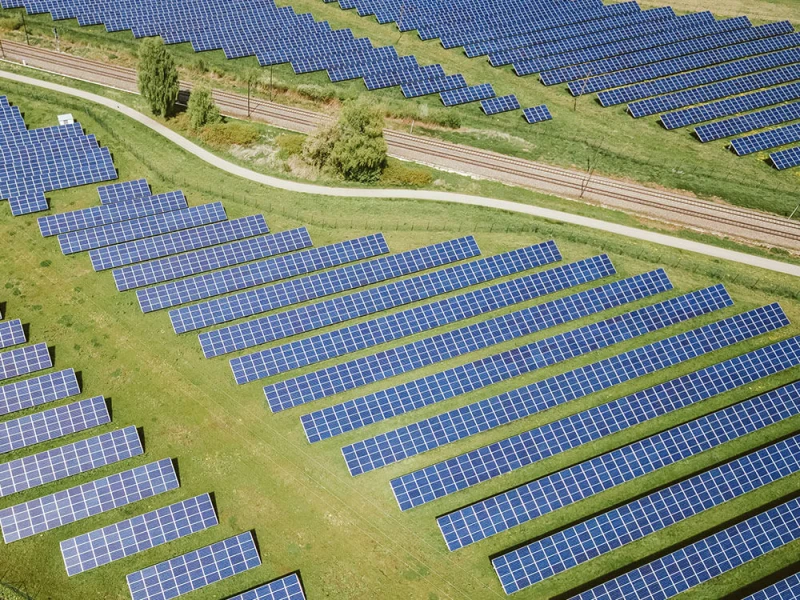
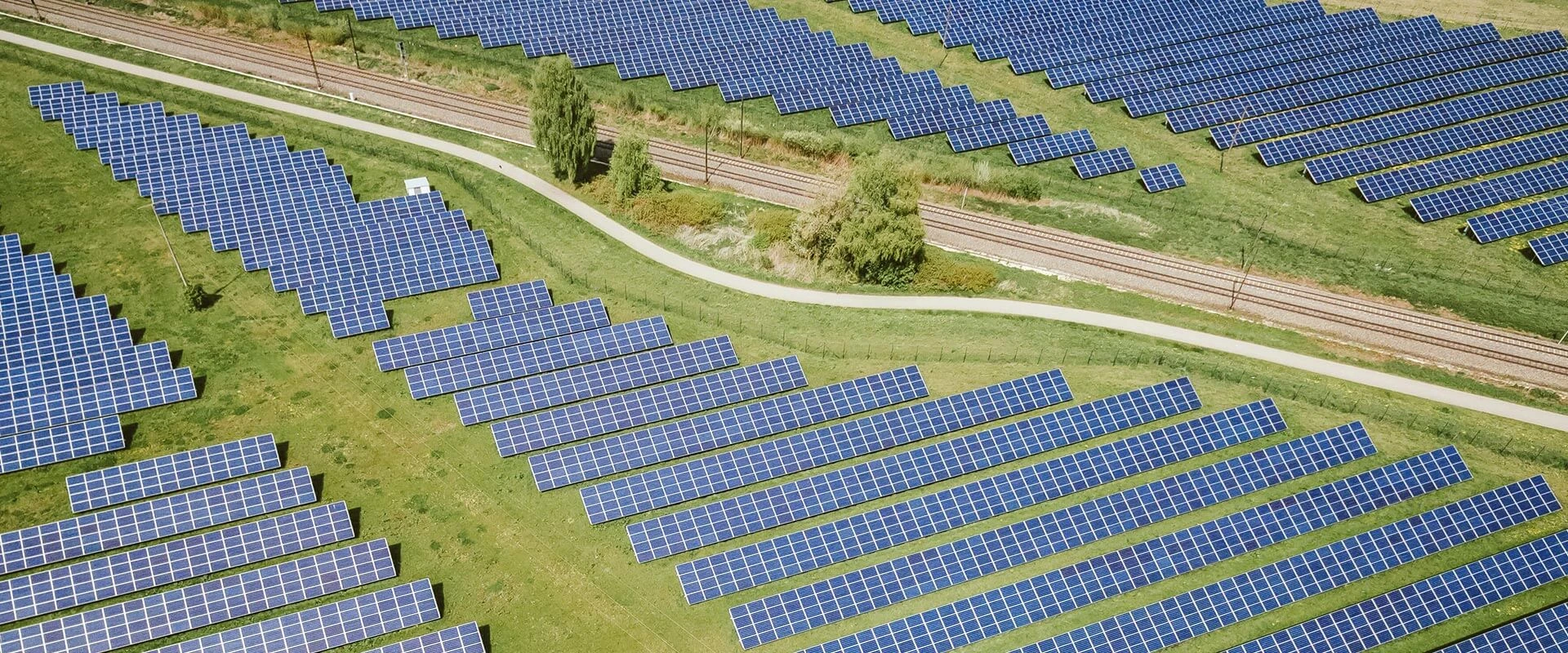
A particularly interesting aspect for PV installations is the so-called 200-Meter Rule. According to § 35 para. 1 no. 8 BauGB, areas along highways and railway lines are considered privileged. This means: facilities built within a distance of up to 200 meters to the infrastructure have a significantly easier approval process. This regulation helps to integrate unused marginal areas into the Energy transition 2.0 without occupying valuable agricultural land. This is especially attractive for farmers who wish to economically utilize their less productive areas.
What Assessments are Necessary for Approval?
A photovoltaic project is not simply 'waved through'. Municipalities must ensure that it fits into the landscape and does not have unreasonable effects on the environment and residents. Therefore, various assessments are required, for example:
• Environmental assessment: How does the facility affect flora, fauna, and the water balance? An Environmental impact assessment (EIA) may be necessary.
• Glare assessment: Are roads or settlements affected by reflections? Particularly important at traffic junctions.
• Noise protection report: Is it ensured that inverters and transformers are not too loud? Especially near residential areas, this can be crucial.
• Fire safety report: Development of preventive measures for fire prevention and firefighting. Particularly important for facilities in forested or dry areas to minimize risks.
EEF provides the necessary experience to consider these requirements early and optimize plans accordingly. Our expertise saves time in the approval process and ensures a smooth operation.
Why land-use planning is not a barrier, but an opportunity
Land-use planning may seem bureaucratic at first glance - but it is the key to sustainable PV projects. It creates planning security for municipalities and allows us as project developers to realize long-term viable concepts.
With a well-considered land-use and land planning, new potential sites can be developed in many municipalities that are both ecologically and economically sensible. It is no longer just about traditional open space plants - but about holistic energy concepts that intelligently combine various technologies.
Hybrid parks for the next level: Energy transition 2.0
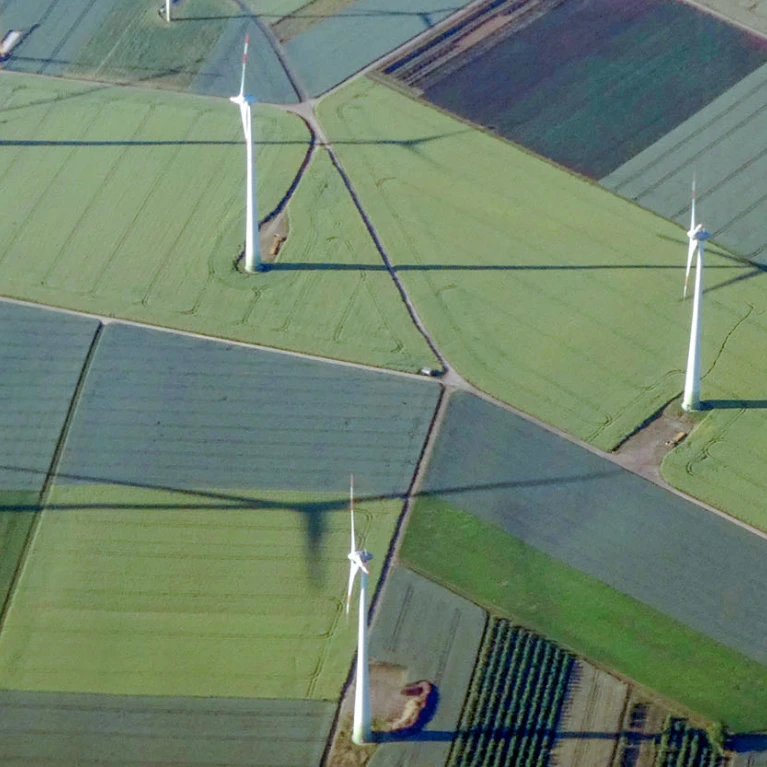
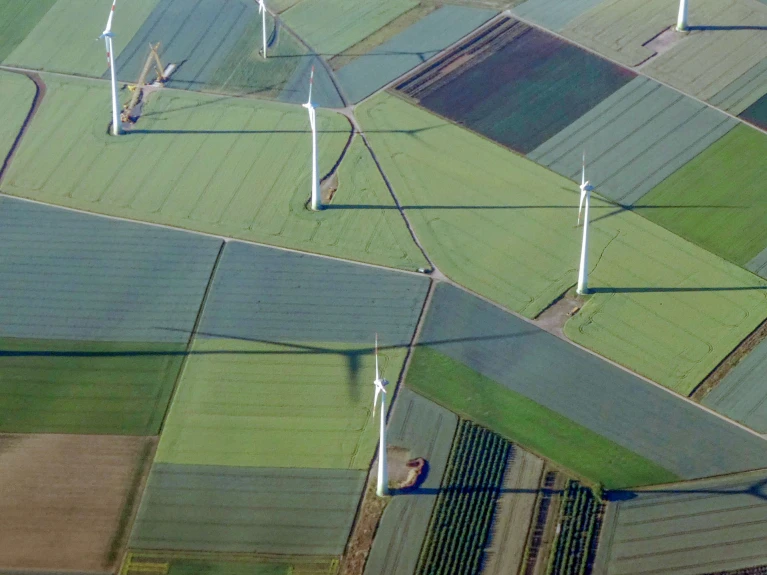
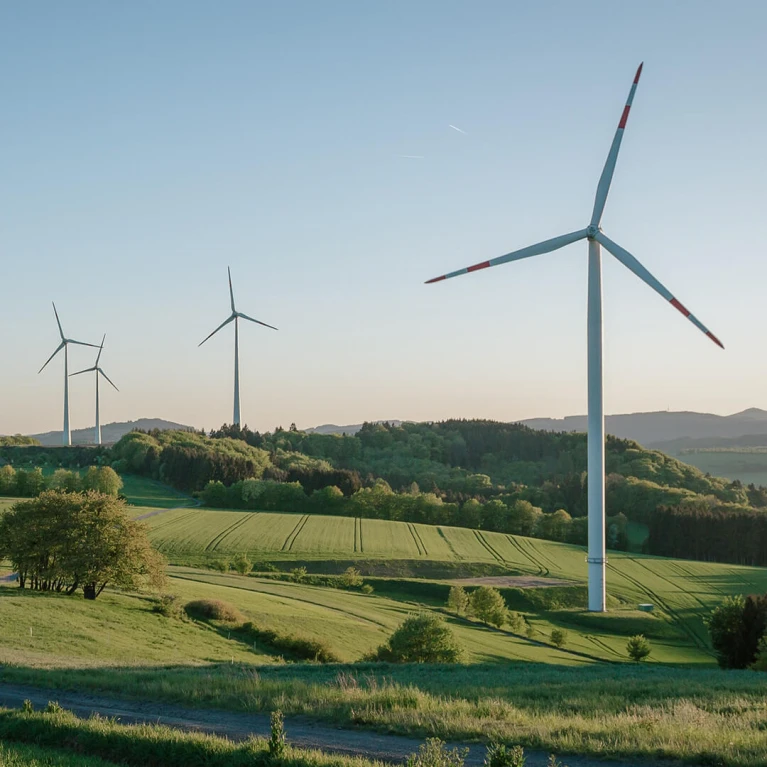
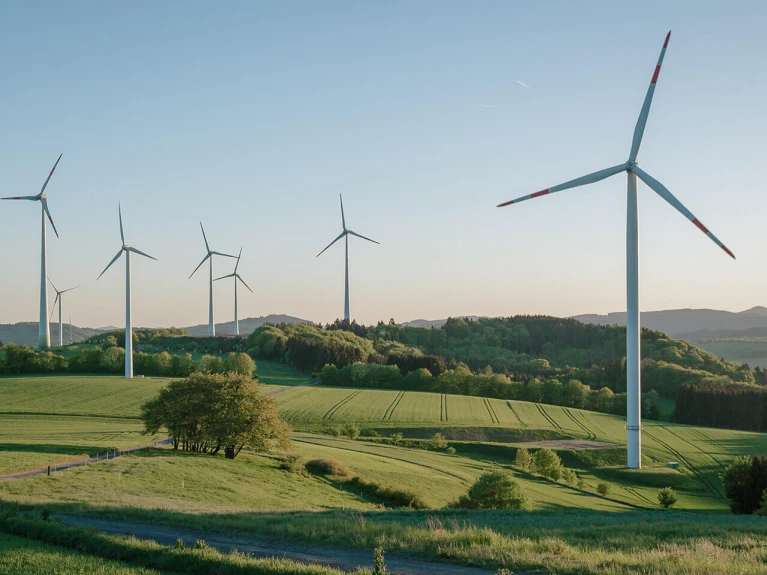
Particularly forward-looking are hybrid parks, where photovoltaics are combined with wind power, battery storage, and other technologies, such as Power-to-X processes. These hybrid systems increase efficiency and grid stability as they feed renewable energies into the grid more demand-oriented.
For municipalities, this means: they make a crucial contribution to greater independence, higher value creation, and better use of existing land. Through clever planning, such concepts can be integrated into urban land-use planning from the outset – and this is exactly where EEF comes in.
Holistic solutions for sustainable regions
In addition to classic power generation, modern PV projects offer additional benefits:
• Agri-PV:Combination of agriculture and solar energy for dual land use
• Energy storage: Securing energy supply through batteries
• Sector coupling: Utilization of excess electricity for hydrogen production or heating networks
• Biodiversity areas: Flower strips, renaturation measures, and ecological compensation areas
At EEF, we focus on tailored solutions that go beyond mere power generation, offering both economic and ecological benefits.
Energy transition 2.0 requires flexible, smart concepts – and well-conceived hybrid power plants are a key component. Those who obtain all necessary permits early, provide expert opinions, and cooperate with authorities not only save time and costs but also create a sustainable energy infrastructure with maximum added value for all stakeholders.
With EEF as a partner, the step from idea to successful implementation is achieved – efficiently, sustainably, and with innovative solutions for a future-proof energy supply.