


'Rauschenberg' is loading ... just a moment
0 %

Our Projects

Rauschenberg

Location

Rauschenberg, Hessen, DE

Start

Q4 2026

Energy

Wind

Status

Pre construction start

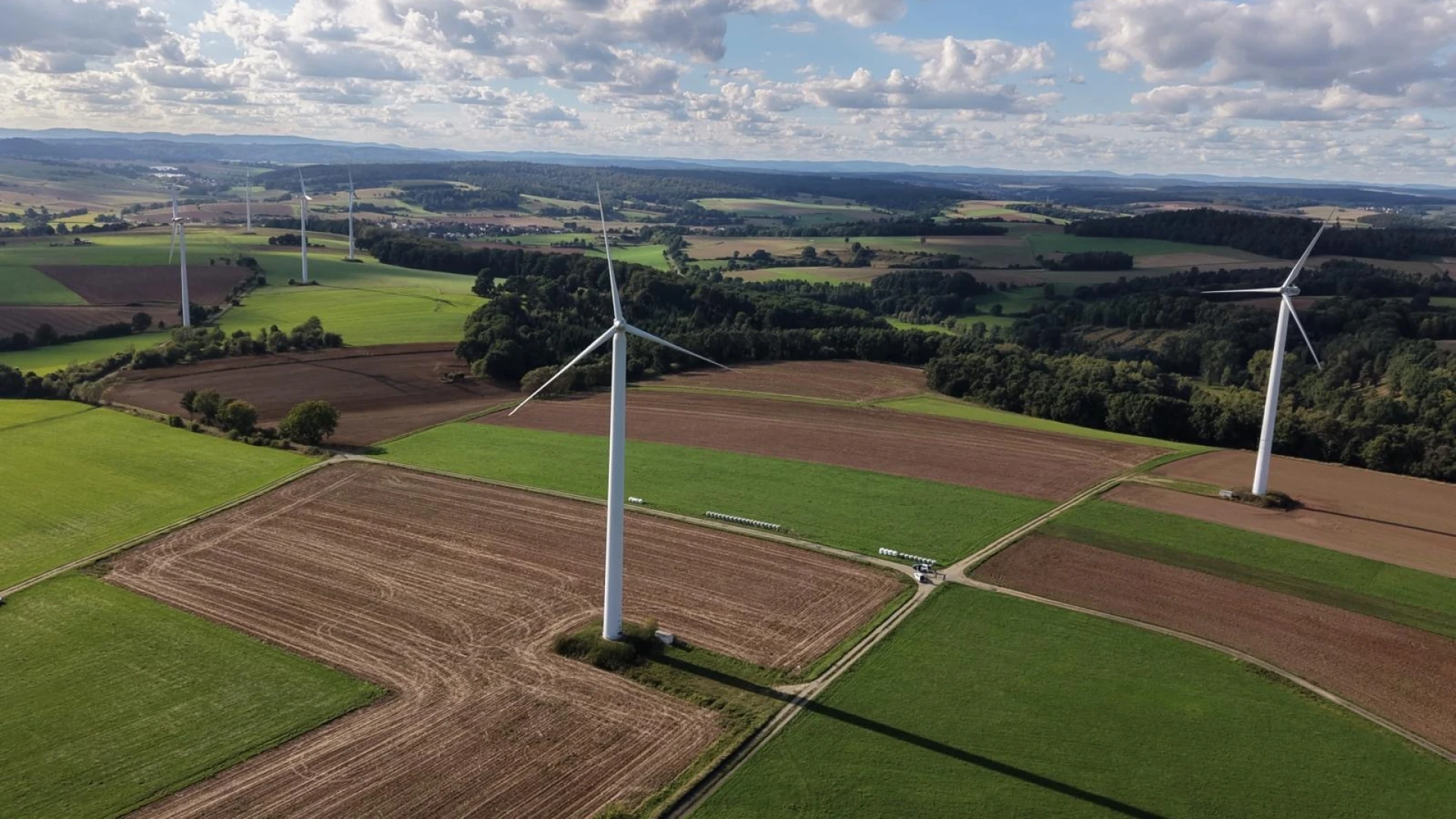
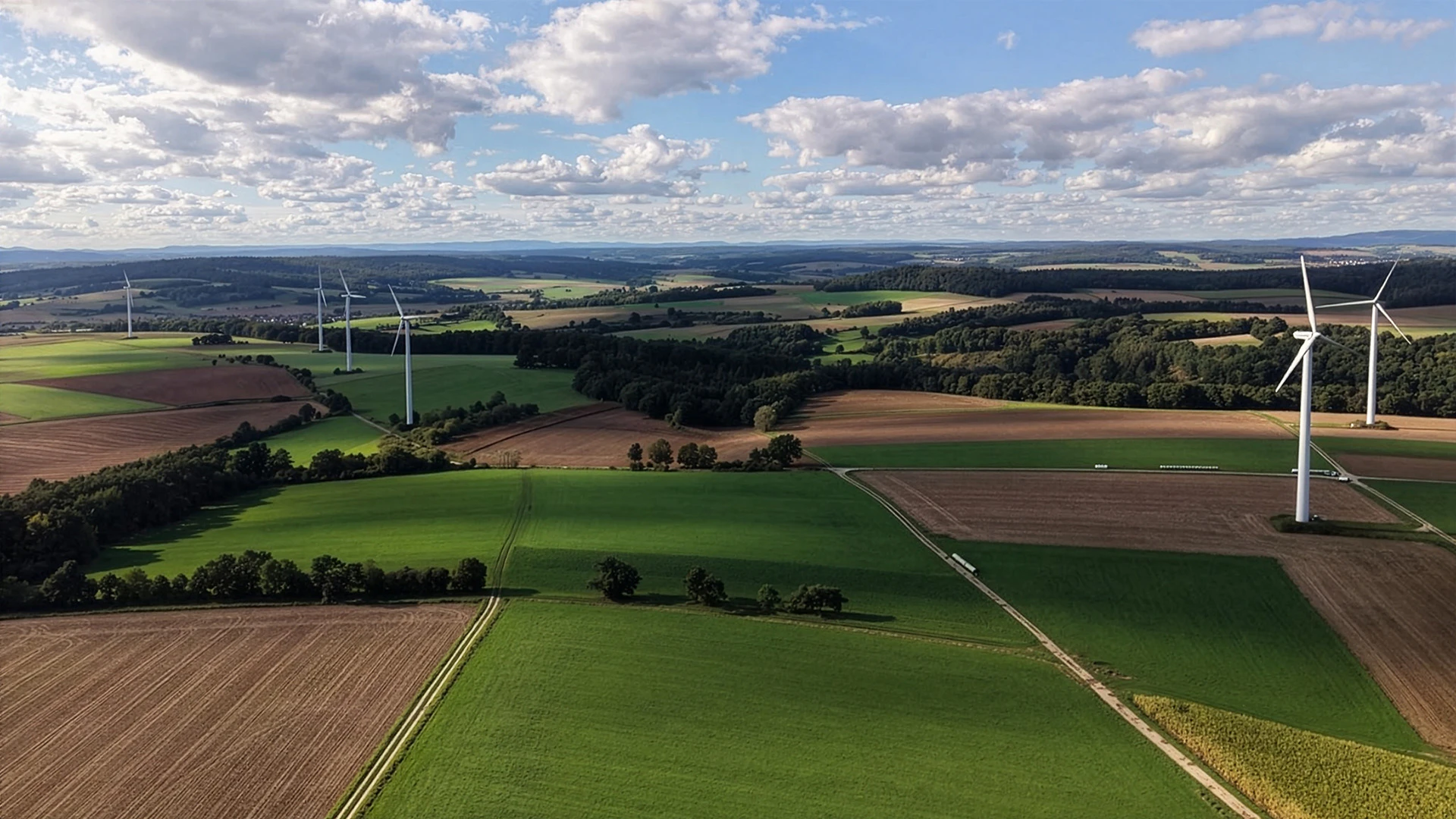
The image is for illustrative purposes only. Changes and deviations in the final project course are reserved.
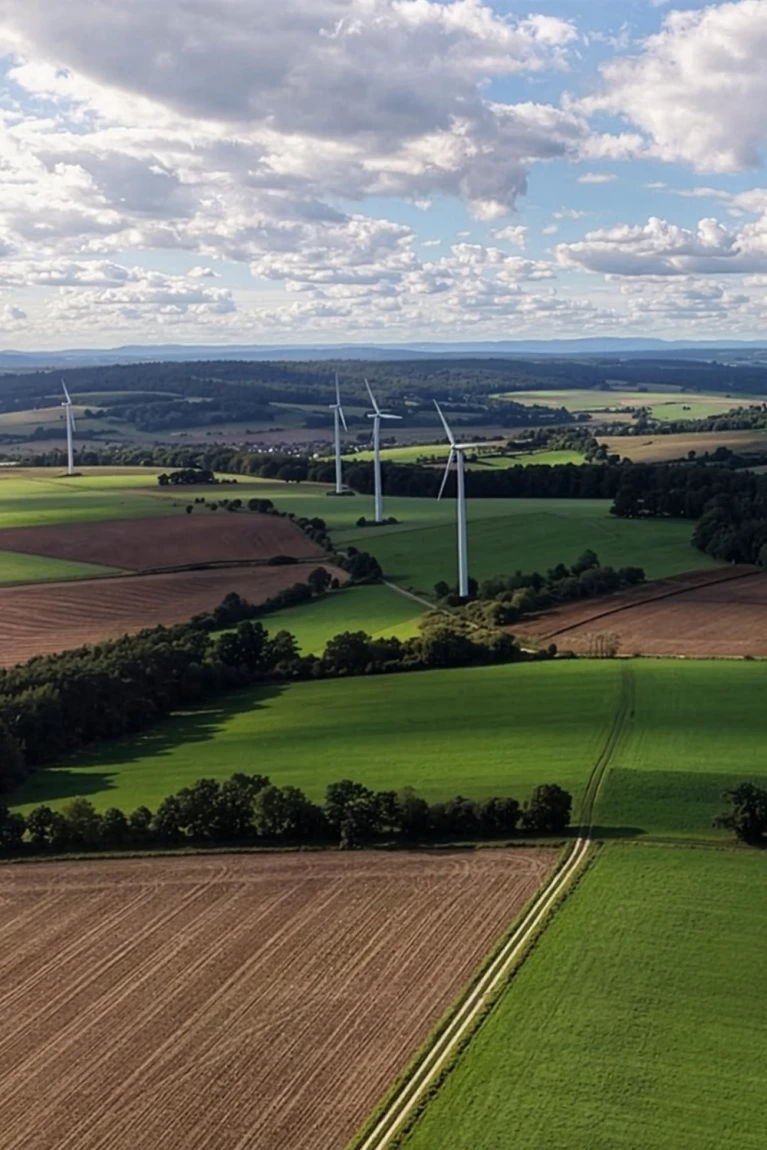
The illustration is solely for illustrative purposes. Changes and deviations in the final project progression are reserved. For the best experience, we recommend using a desktop device – only selected segments are visible on mobile devices.

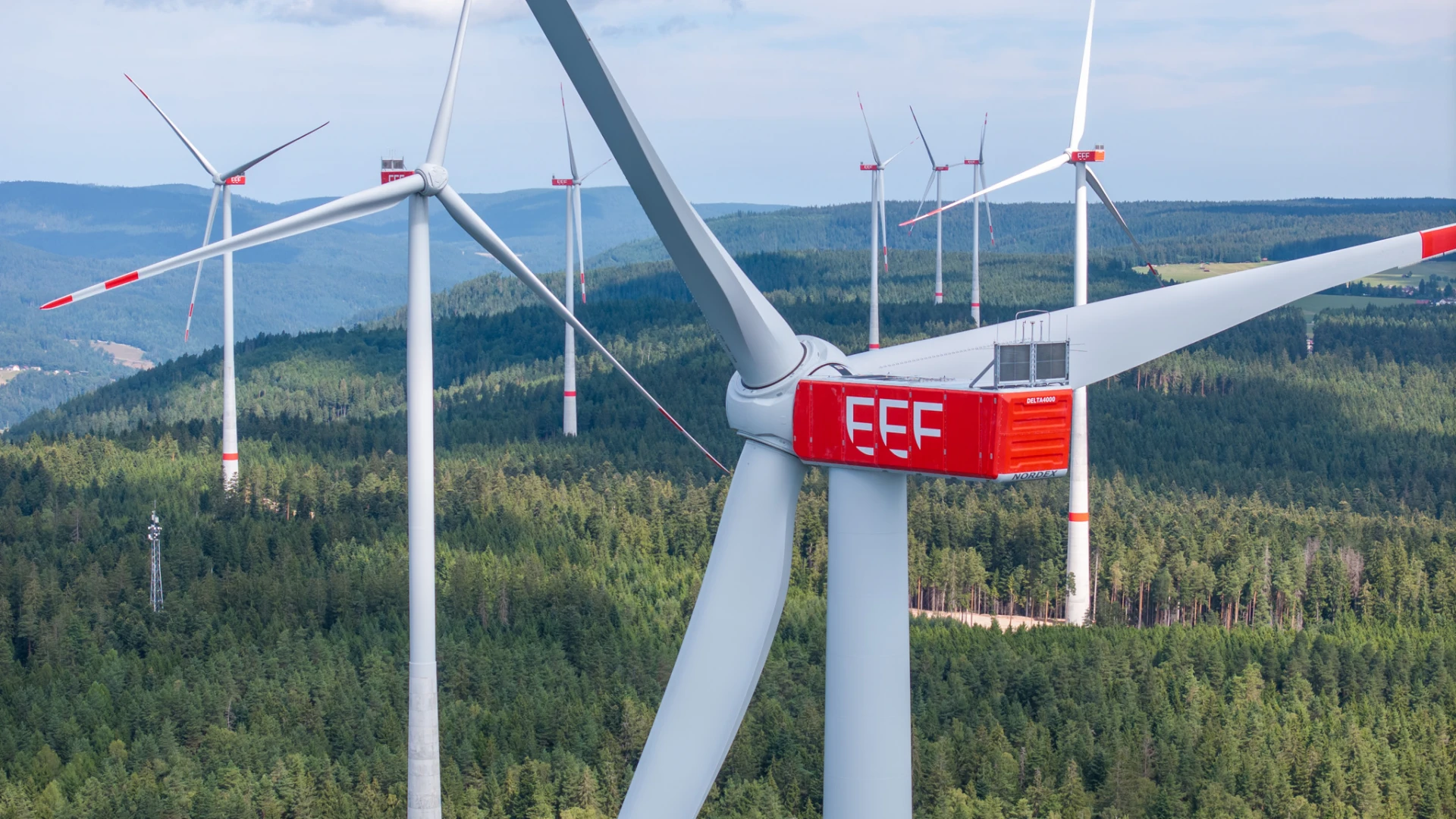
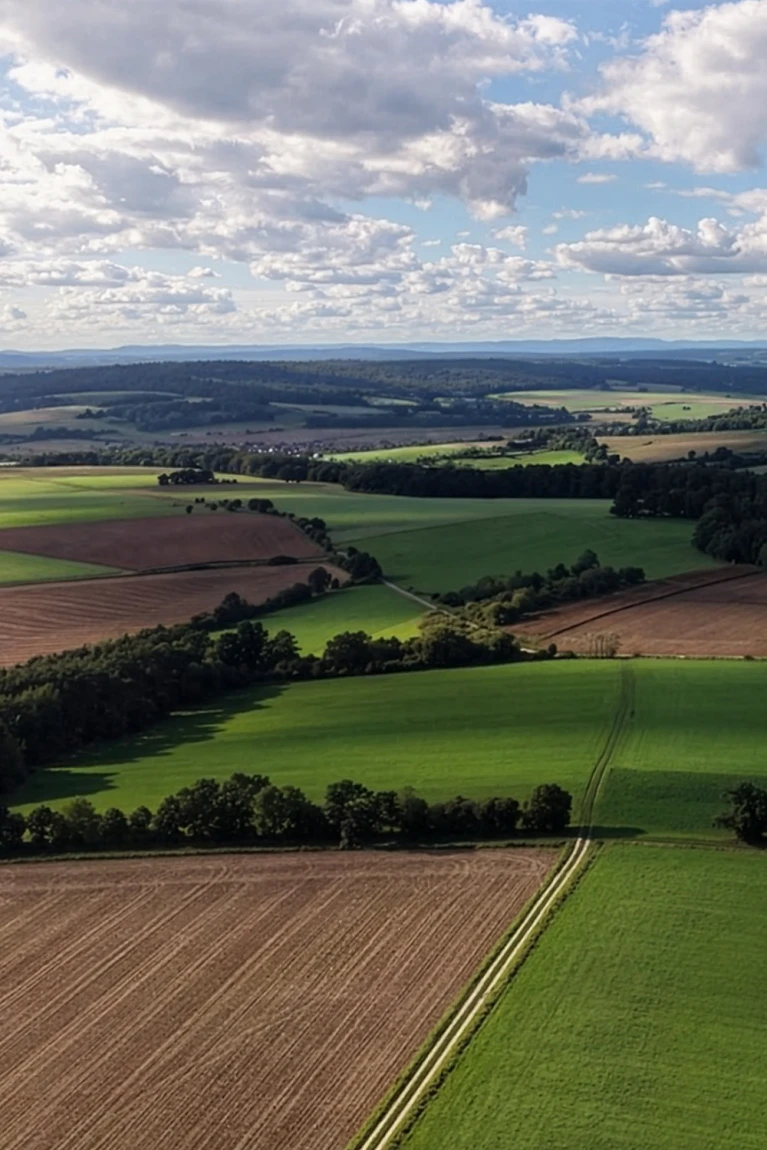
The Rauschenberg wind farm demonstrates the potential in repowering existing wind energy sites. By replacing older facilities with modern wind turbines with a hub height of 199 meters, the existing area is used much more efficiently. This results in a powerful wind farm in Hesse that leverages technological advancements in the industry and makes a significant contribution to the energy transition.

5 Wind turbines (WTs) are being installed in Rauschenberg.
34 MW Rauschenberg wind park has a total capacity of 34 MW.
20,000 Rauschenberg thus supplies approximately 20,000 households annually.
53,060 Tons of CO₂ are saved annually on average.

Our approach: Energy transition 2.0

EEF stands for Energy transition 2.0 – a new generation of sustainable energy projects. Our solutions extend beyond mere electricity production: they are decentralized, locally effective, and digitally connected. In this way, we create real added value – ecologically, economically, and socially.

Wind power with foresight

Together with the community of Rauschenberg, committed citizens, and local farmers, we have been collaboratively and solution-focused developing the project since its acquisition. Close communication with all stakeholders forms the foundation for successful implementation. For EEF, Rauschenberg exemplifies modern repowering and demonstrates how technological progress prepares existing sites for the future of energy supply.

Demonstrate responsibility. Create added value. Act together.

Engagement with local municipalities and communities is a central aspect of the project development. We offer participation to the surrounding communities in accordance with § 6 Renewable Energy Sources Act (EEG).
In addition, we implement compensatory and replacement measures together with regional partners. Supporting local initiatives and organizations also helps to enhance the value creation in the region.

Compensatory and replacement measures

  • Fallow land

    Fallow land serves as a valuable habitat and breeding ground for ground-nesting bird species such as the skylark. By deliberately keeping the area open, suitable conditions for foraging, breeding, and rearing of young birds are created. At the same time, this measure helps to compensate for interventions in nature.

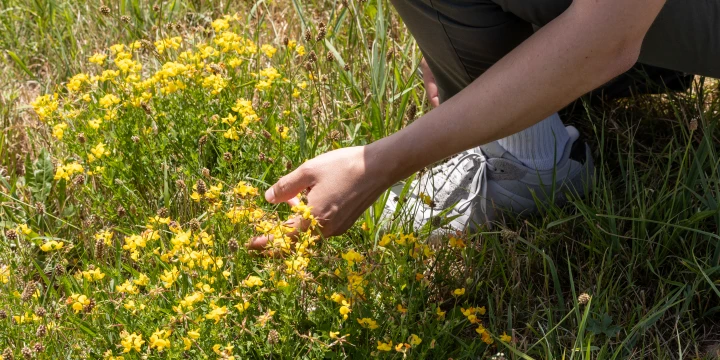
  • Flower strips

    Flower strips create new habitats for insects, birds, and other animal species. With their diverse range of flowers, they promote biodiversity and provide particularly suitable retreat and feeding areas for the skylark. As a compensatory measure, they make an important contribution to the preservation of valuable open land habitats.

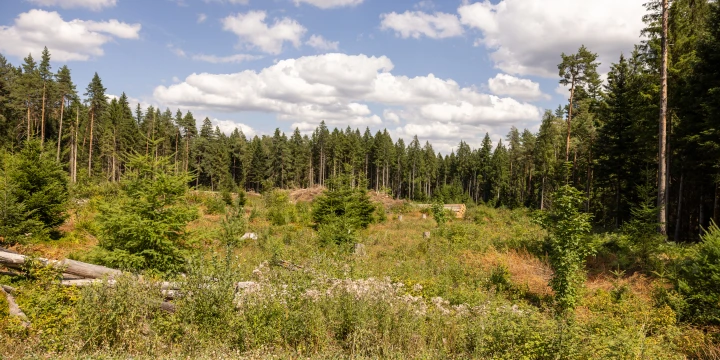
  • Leaving a forest area dormant

    By permanently decommissioning a forest area, the forest can develop naturally without forestry interventions. The financing of this measure is secured in the long term through the acquisition of biotope value points. This creates stable habitats for numerous animal and plant species, while preserving and promoting the natural dynamics and diversity of the forest.

Transparency

creates trust

A transparent project development and continuous dialogue with local stakeholders have accompanied the Rauschenberg wind park from the beginning. Regular information events and personal exchanges with landowners and the city of Rauschenberg create a foundation for trustworthy cooperation and enable a comprehensible development of the project.

(Project) milestones

The project highlights

Project acquisition

Completed

With the acquisition of the Rauschenberg wind park project, EEF begins the further development of a site of great significance for the regional energy transition. Together with landowners, the city of Rauschenberg, and other project participants, we continue the existing planning and lay the foundation for the repowering of the site.

Completion of the approval process

Completed

The approval process continued and the additional requirements from the Federal Immission Control procedure were successfully completed. Facilities from the manufacturer Nordex were approved. This lays the foundation for the technical renewal of the site.

Renewable Energy Sources Act (EEG) surcharge

Completed

With the successful bid in the tendering process, the project reaches another crucial milestone. The confirmation provides planning security and paves the way for the implementation of the Rauschenberg wind park.

Beginning of the construction phase

Planned

Following intensive planning, the on-site implementation begins. With the commencement of construction, the transformation of the site and preparations for the next generation of wind turbines in Rauschenberg also begin.

Dismantling of existing facilities

Planned

The existing wind turbines are being dismantled step by step to make room for more powerful and efficient technology, thus preparing the site for its future as a modern repowering wind park.

Delivery and construction of the new facilities

Planned

The first major components reach the site and the new wind turbines visibly grow taller. With each tower erected, the future energy supply of the site continues to take shape.

Completion and commissioning

Planned

After the completion of construction, the new wind turbines will be commissioned in the first and second quarters of 2028. A wind park festival marks the joint conclusion of the project development and the start of the operational phase of the repowered Rauschenberg wind park.

Technologies that set standards

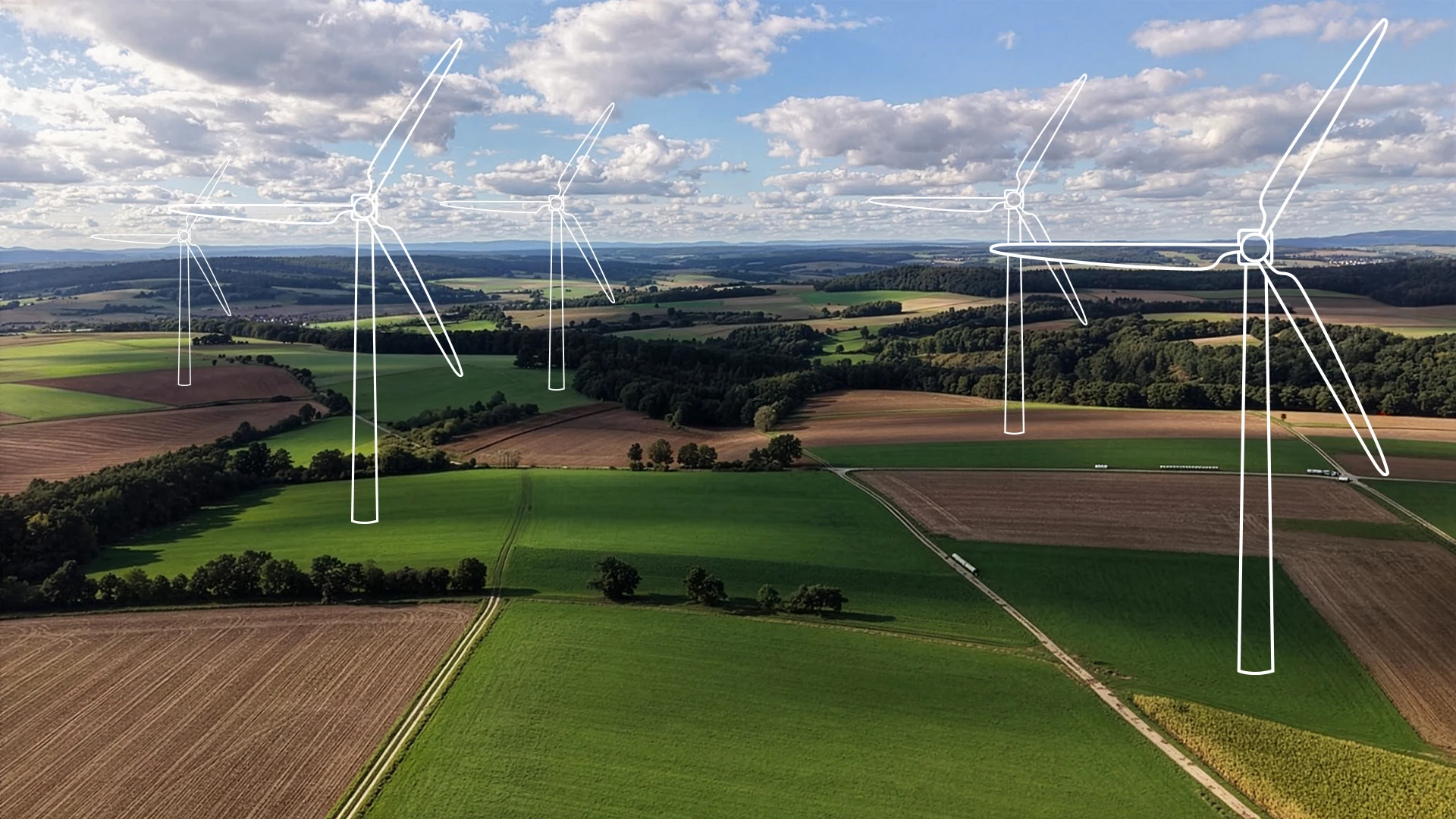
With the repowering of the Rauschenberg wind farm, we rely on modern wind turbine technology that uses the site's existing potential much more efficiently. The Nordex N175 6.X with a hub height of 199 meters enables higher energy yields and taps into wind conditions that were not utilized by the existing facilities. Thus, more power and a greater contribution to the regional energy transition are generated on the existing area.

Type of plant used:

5x Nordex N175 / 6.8 MW / Hub height 199 m

  • High efficiency at medium wind speeds

    The rotor blades with large diameter are designed for optimal performance in regions with less consistent wind – a clear advantage for Baden-Württemberg.

  • Noise-reduced design

    With optimized blade geometry and pitch control, the plants operate quieter than comparable types. This makes them especially suitable for use in forests.

  • Digital control systems

    Modern monitoring technology ensures predictable maintenance, high availability, and efficient operation throughout the entire life cycle.

  • Future-ready series quality

    The Delta4000 series is proven, advanced, and modular – ideal for long-lasting operation and easy spare parts supply.
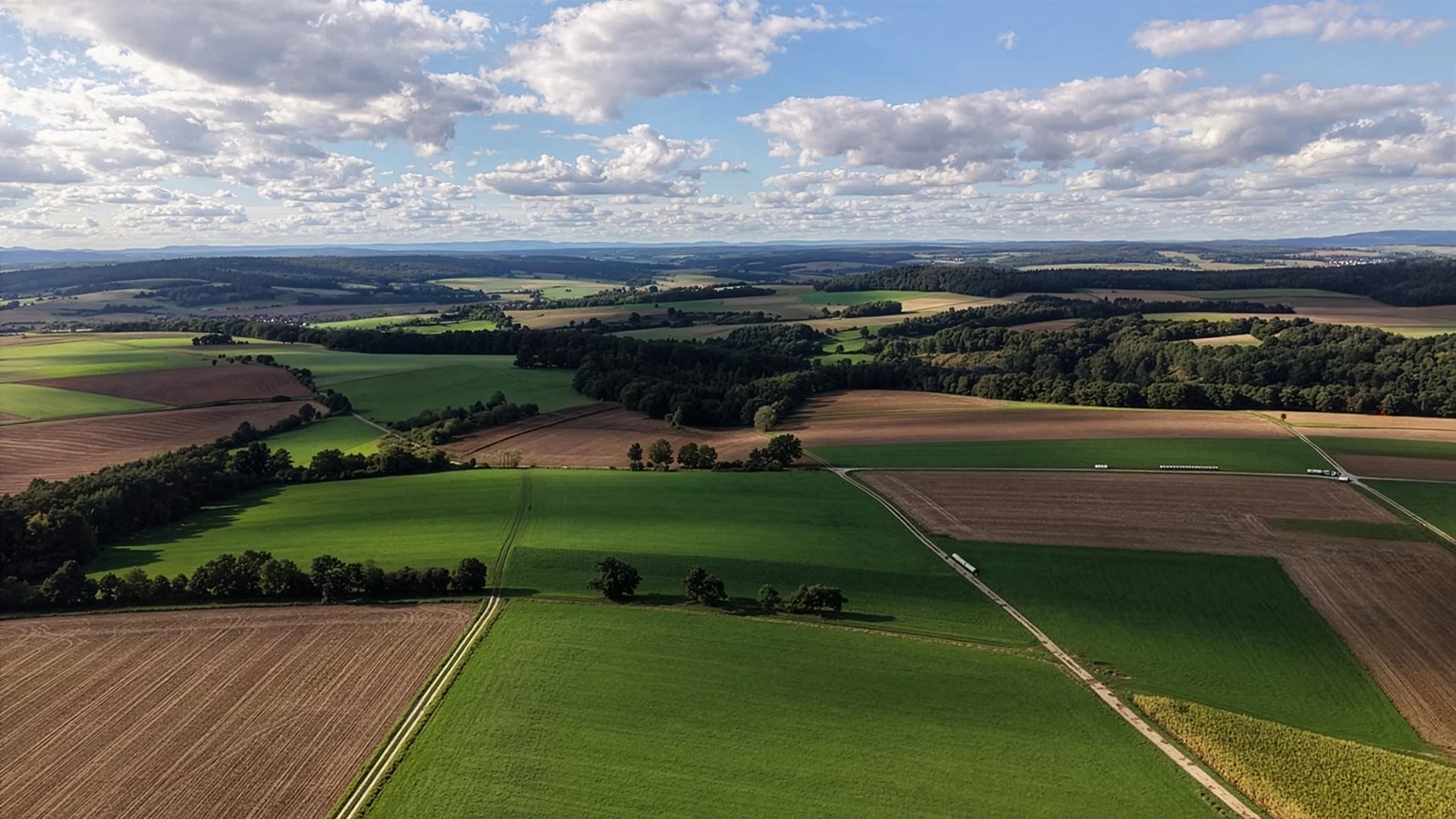
Prior to the installation of the new Wind turbines, the existing Frisia-F56 turbines will be dismantled. The work is carried out by experienced specialist companies and implemented as eco-friendly as possible. The reuse of individual components and materials plays a key role in efficiently using existing resources. Simultaneously, we consider the entire life cycle of the wind park from today. Appropriate safeguards ensure a complete dismantling of the new facilities after their operational period ends. Materials will be returned to the recycling loop as much as possible, and the used lands will be recultivated. For EEF, responsibility does not end with the commissioning of a wind park, but covers the entire life path of a project – from the first planning step to the later dismantling.

The image is for illustrative purposes only. Changes and deviations in the final project course are reserved.
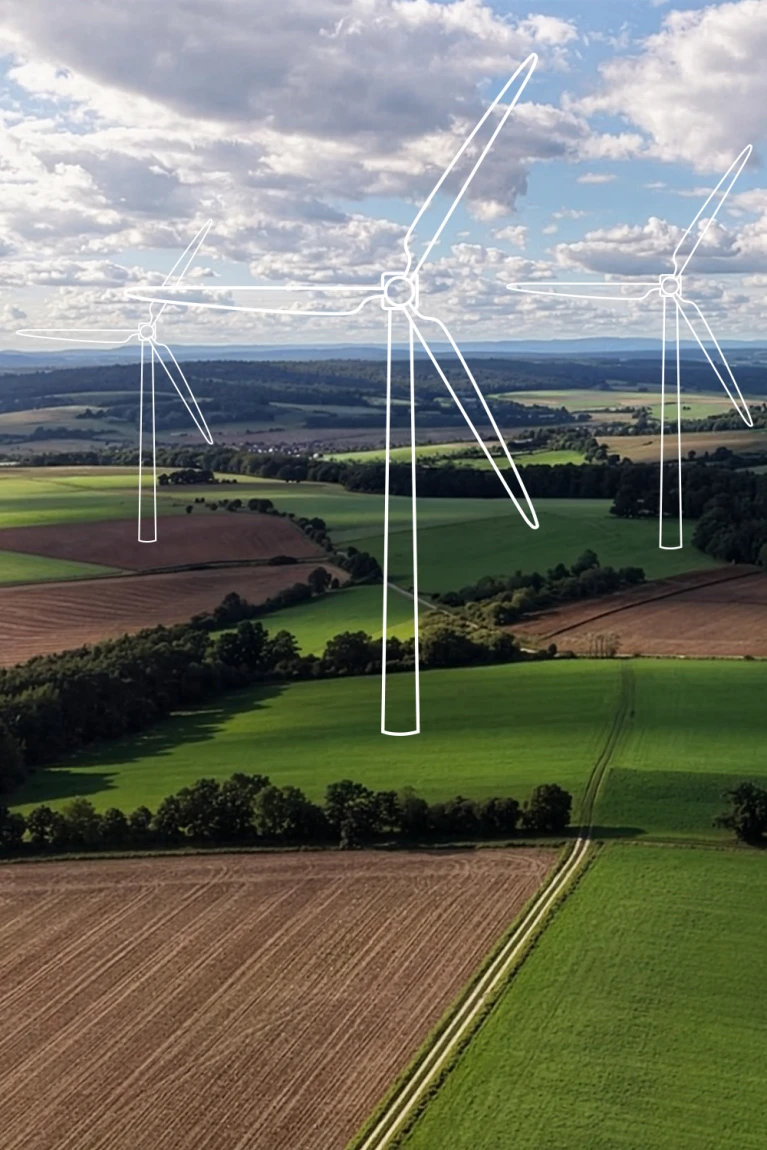
The illustration is solely for illustrative purposes. Changes and deviations in the final project progression are reserved. For the best experience, we recommend using a desktop device – only selected segments are visible on mobile devices.

Perspectives of Our Companions

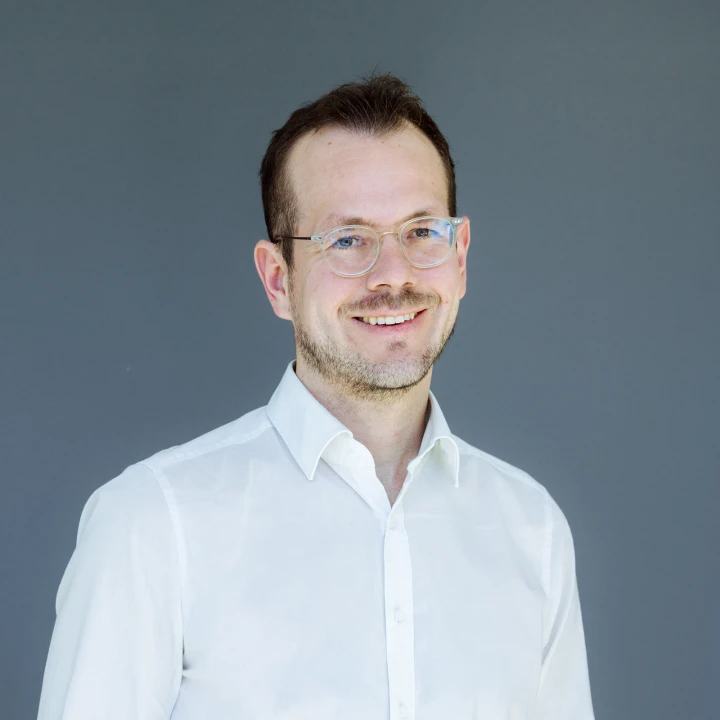
"The Rauschenberg wind park was the first project I had the privilege to manage after starting at EEF.
From the first day of the project takeover, we were welcomed by the landowners and the city of Rauschenberg with open arms and a great deal of trust. Right from the start, we felt a strong interest in making the wind park a success, and this allowed us to constructively solve each challenging hurdle. I am very grateful to all participants and proud to be part of such a fantastic project."

Smiling young man with glasses and a beard, wearing a white t-shirt and a dark blue blazer against a grey background
Pascal Thymian Contract Manager Rauschenberg

Our Team: The Minds Behind the Project

Do you have questions? We have the answers.

Throughout the duration of your project, a project manager from EEF will be your dedicated contact person. We are committed to providing continuous support and consistency, as we value a long-term collaboration.

There are various reasons why wind turbines may stand still even though the wind is blowing. Often, these are planned maintenance or routine checks that are necessary for the safe operation of the facilities. It may also be that the power grid is already adequately absorbing electricity and no additional input is necessary. Furthermore, modern wind turbines have mechanisms that automatically stop them when the wind speed is too high to prevent damage.

All Questions

Are you ready to help shape the energy future of tomorrow? Contact us!

Contact

Discover more EEF projects

EEF is advancing the energy transition nationwide – with innovative projects, a regional focus, and real local impact. Take a look at our other energy projects.

All projects