





'Neubörger' is loading ... just a moment
0 %

Our Projects

Neubörger

Location

Neubörger, Niedersachsen, DE

Start

Q1 2027

Energy

Wind

Status

Approved

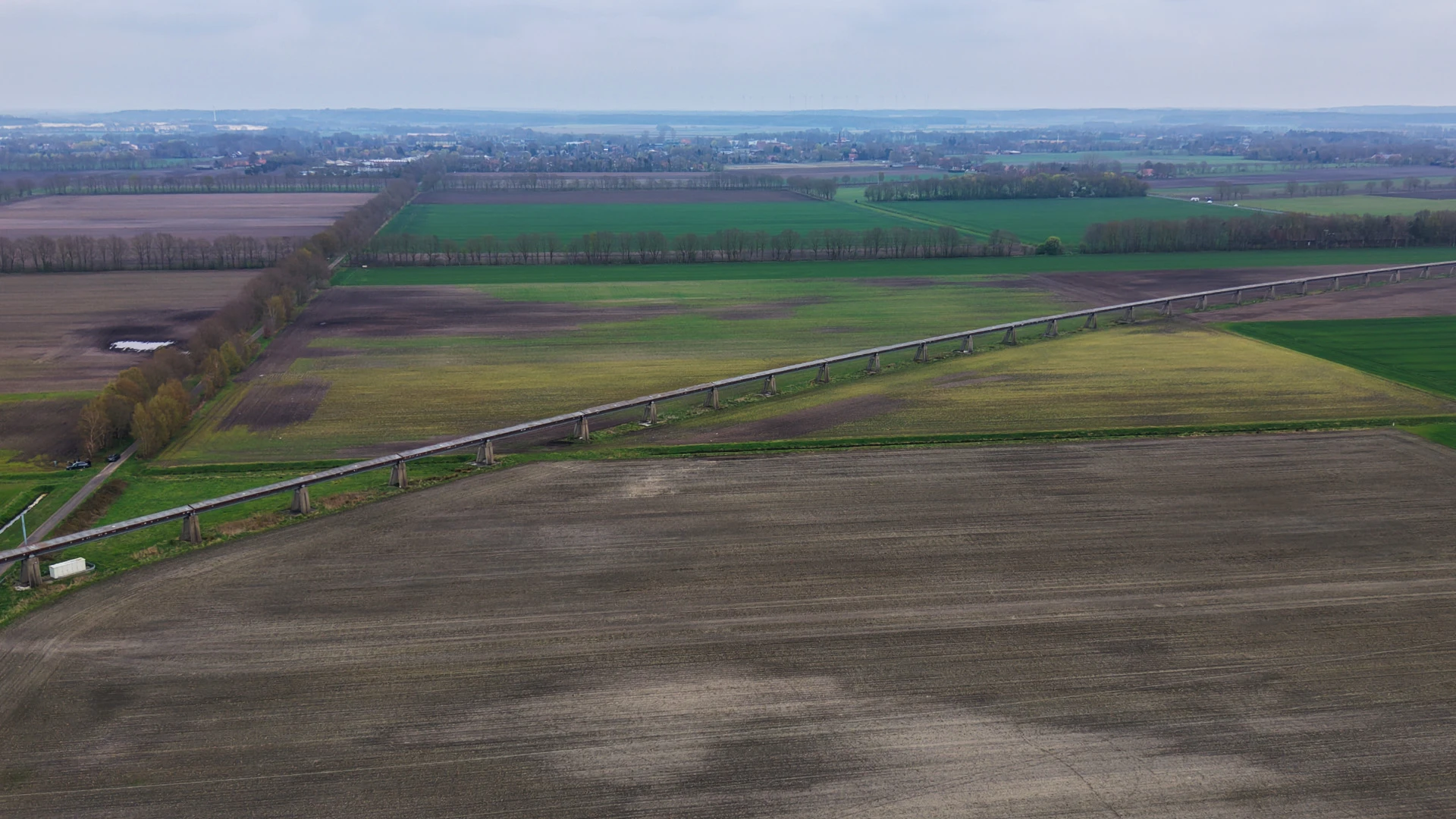
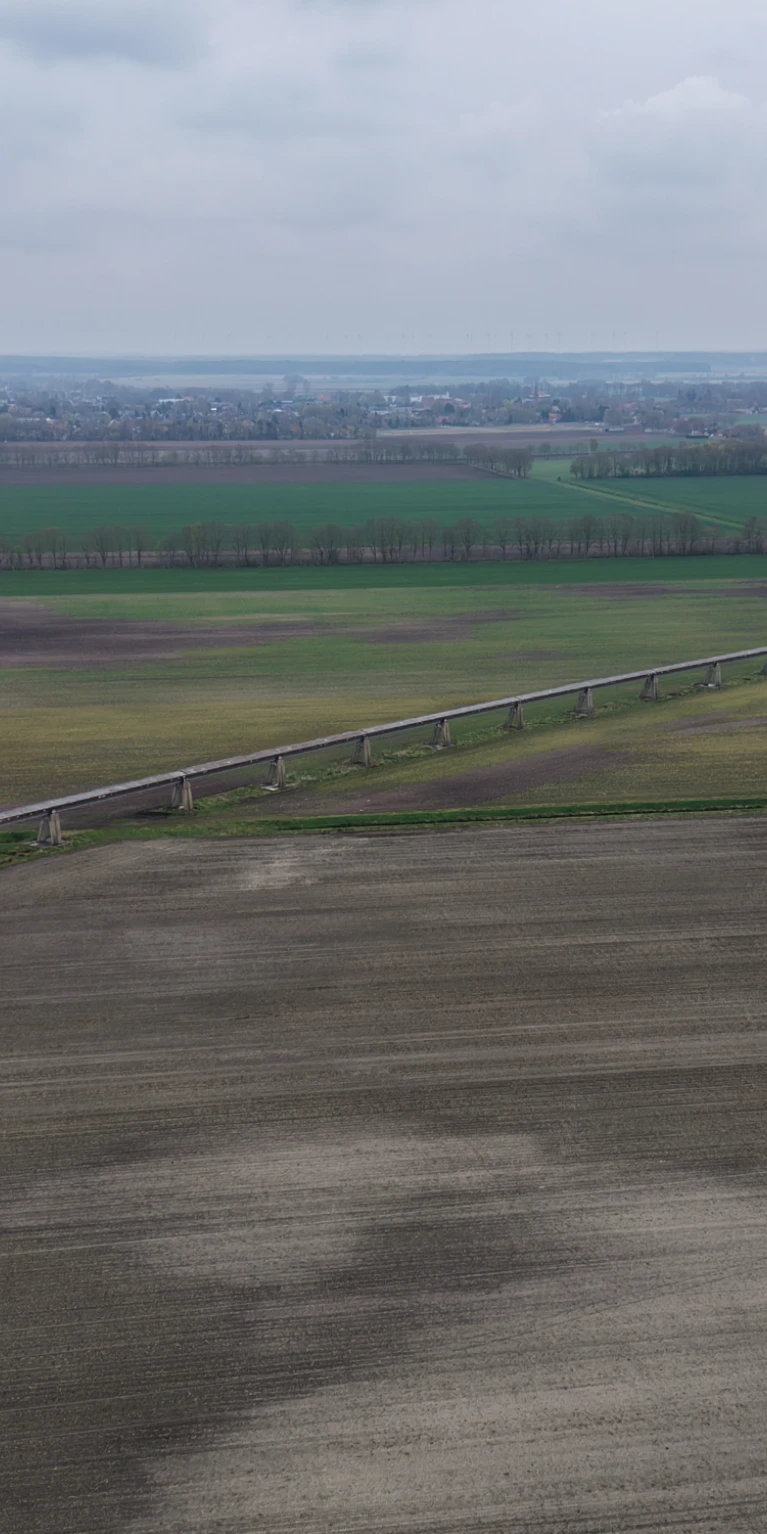
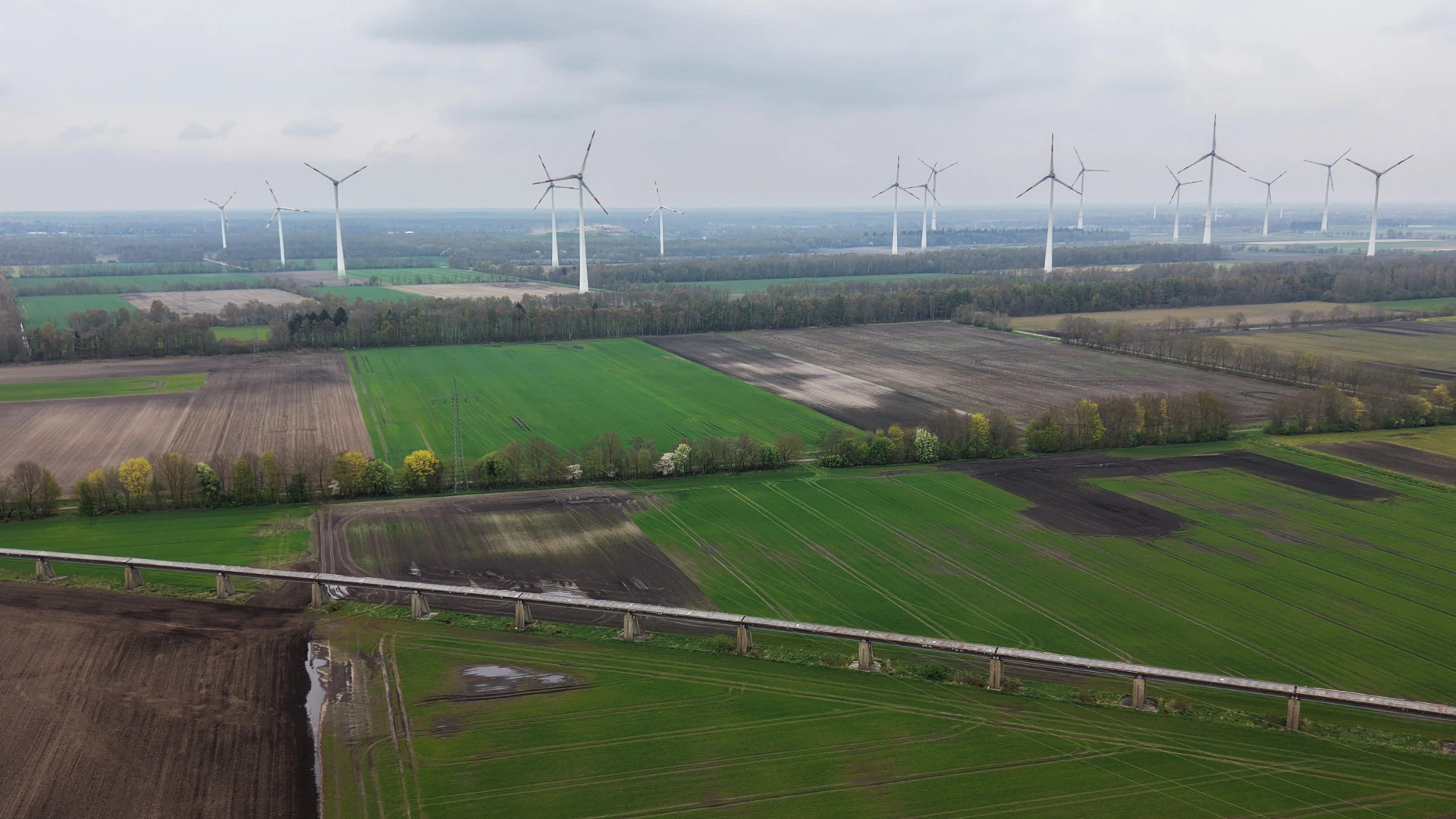
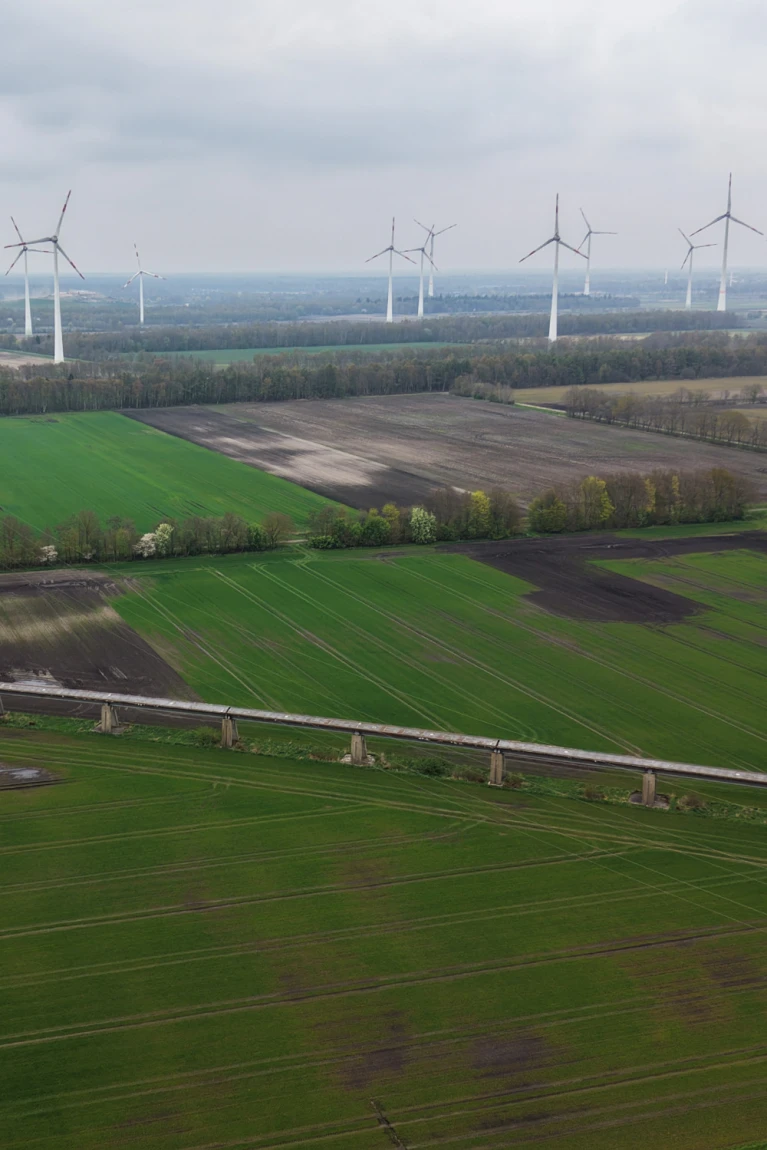
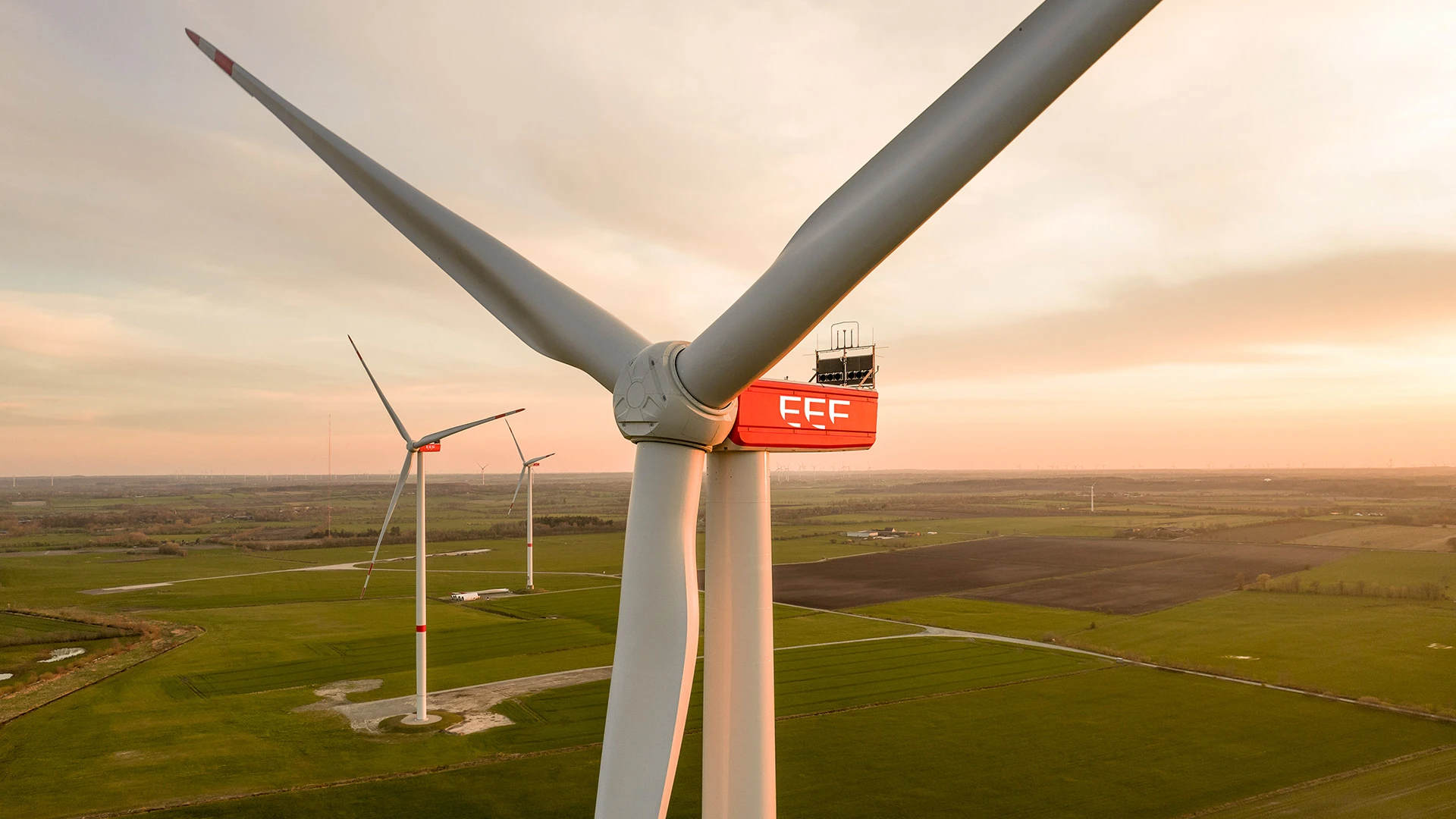
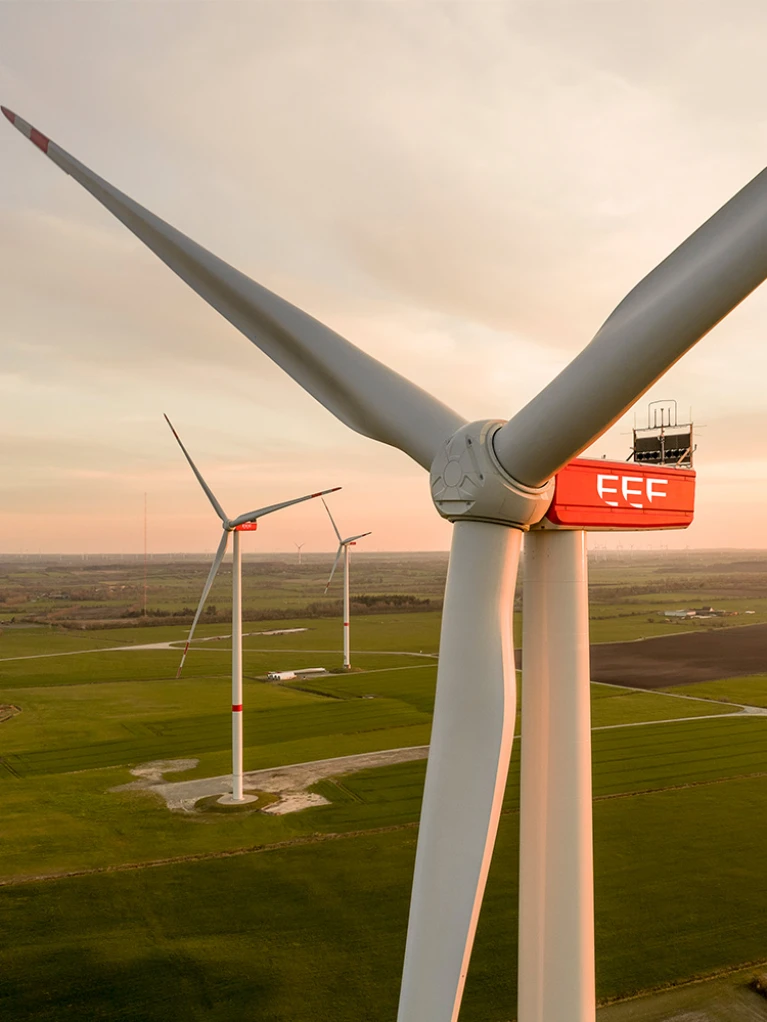
This image is for illustrative purposes only. Due to the selected image section and the perspective of the drone shot, only three of the seven wind turbines of the wind farm are shown. Changes and deviations in the final project course are reserved.

With the wind park, EEF sends a strong signal for the Energy transition 2.0 in Lower Saxony. The goal: a sustainable, regional energy supply – sustainable, transparent, and efficient. In harmony with people and nature, we shape the energy of tomorrow together.

7 Wind turbines (WTs) are being constructed in Neubörger.
47.6 MW The total output of the Neubörger wind park.
43,429 Neubörger supplies an average of that many households per year.
115,216 Tons of CO₂ are saved annually on average.

Our approach: Energy transition 2.0

EEF stands for Energy transition 2.0 – a new generation of sustainable energy projects. Our solutions extend beyond mere power production: they are decentralized, locally effective, and digitally connected. Thus, we create real added value – ecologically, economically, and socially.

Wind power with foresight

With the Neubörger wind farm, we are putting our understanding of the Energy transition 2.0 into practice. The project demonstrates how transformation in rural areas can be ecologically and economically successful. This is made possible by powerful technology and especially by strong regional partnerships. Together with local actors, we create value creation on-site and sustainably strengthen the region. From planning, through construction, to operation, more than just an energy project is emerging in Neubörger: an example of how the future can be shaped together - for and with the people of the region.

Show responsibility. Create added value. Act together.

EEF develops projects like Neubörger always in dialogue with the local people. Our claim: We create not only clean electricity but also social and ecological added value.

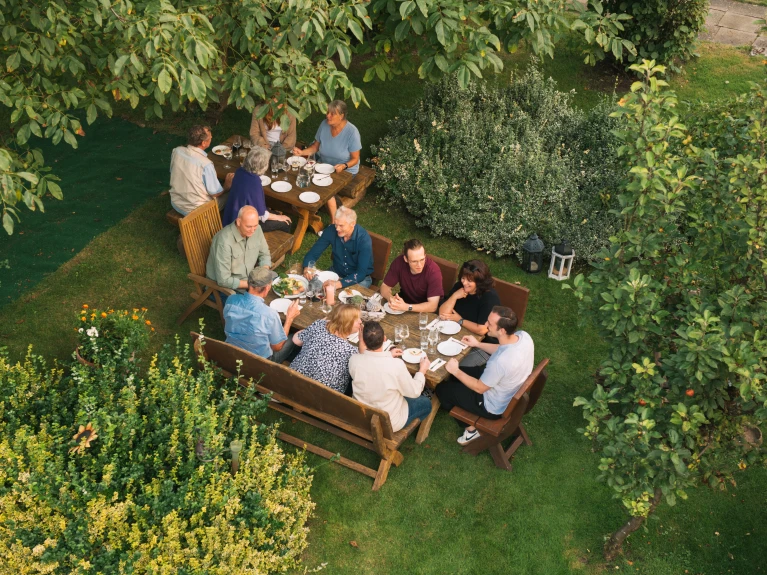
In Neubörger, surrounding communities within a radius of 2.5 km directly benefit from payments through community participation (§ 6 EEG). Residents additionally receive a financial participation according to the Lower Saxony Participation Act.

Furthermore, EEF specifically supports local structures – through donations, sponsorship, or infrastructure funding. Measures are developed together with local contacts.

Ecological compensation is also central: targeted conservation measures strengthen nature and biodiversity in the long term.

Compensation and replacement measures

  • Targeted Tree Care

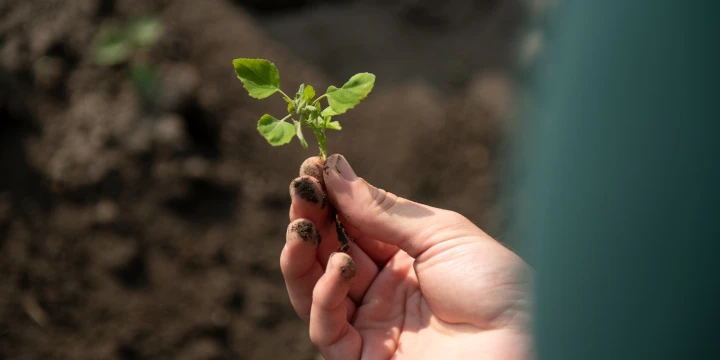
    As compensation for necessary tree felling, site-appropriate trees will be replanted, with more trees being planted than are cut down. The plantings are based on the ecological conditions of the site and contribute to the long-term promotion of biodiversity as well as the landscape enhancement and climate stability of the environment.

  • Ecological enhancement of farmland

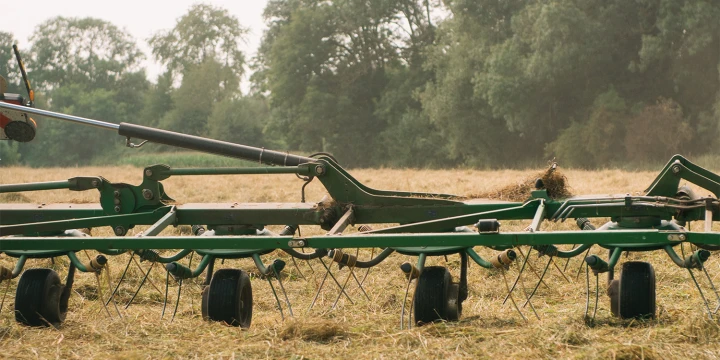
    By extensifying farmland, nutrient-poor areas are created that are ideal for endangered animal and plant species. Reduced fertilization and mowing promote diversity and soil quality, providing added value for both nature and agriculture.

  • Habitats for wild birds

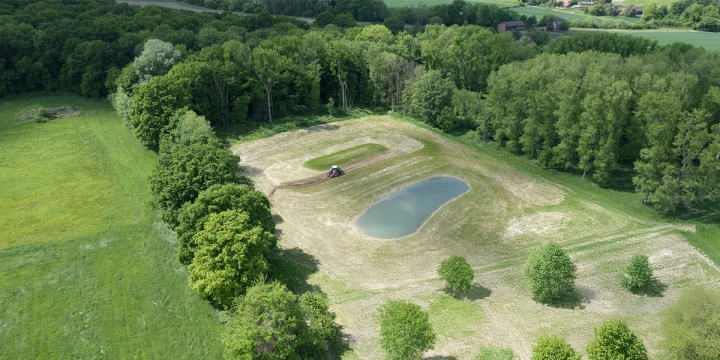
    To provide targeted protection for endangered species such as the lapwing and migratory birds, diverse and natural habitats are created. By enhancing existing areas and creating additional structures, attractive retreat, breeding, and feeding spaces are formed. This strengthens ecological diversity and improves the habitat situation for these species in the long term.

Transparency

creates trust

Energy transition 2.0 means for us: making development tangible. We demonstrate the milestones that shape a project, where we stand, and what comes next – openly and collaboratively. Neubörger represents progress in the southwest. From approval through construction to the initial power injection – here we document the key steps.

Milestones

Project highlights

Assuming the project's planning

Completed

With EEF's entry into the Neubörger project, the further planning and development of the wind park was taken over. Since early 2025, we have been advancing the project together with the landowners, local communities, and other project participants, laying the foundation for the successful implementation of the wind park.

Project acquisition

Completed

On December 22, 2025, the project was taken over by WnE Planung GmbH. This step allowed all further development and implementation activities to be consolidated in order to consistently pursue the Neubörger wind farm project to realization.

Approval under the Federal Immission Control Act

Completed

With the receipt of approval under the Federal Immission Control Act, a significant milestone was reached. The positive decision confirms the project's compliance with legal requirements and enables the transition to the next project phase.

Renewable Energy Sources Act (EEG) Surcharge

Completed

The successful bid in the Renewable Energy Sources Act (EEG) tender represents a crucial step for the economic implementation of the wind park. This has established a key prerequisite for the project to be executed as planned.

To the press release

Construction start

In planning

With the planned construction start, the implementation phase of the Neubörger wind park begins. After the preparations are complete, the initial on-site works will commence, making the energy transition visible in the region.

Access roads & crane setup areas

In planning

At the start of construction, the necessary access roads and crane pads will be created. They form the basis for the transport of large components and the safe erection of the wind turbines.

Foundation construction

In planning

Subsequently, the foundations are constructed. They provide a stable base for the wind turbines and are an important step towards future power generation.

Installation of facilities

In planning

As the facilities are constructed, the wind park visibly takes shape. Towers, nacelles, and rotors are mounted gradually until all units are fully assembled.

Cable construction and grid connection

In planning

Concurrent with the final construction efforts, electrical connections within the wind park and to the grid connection point are established. This prepares for the future injection of the generated electricity.

Operational phase

In planning

With the commissioning, the long-term operational phase of the Neubörger wind farm begins. The seven wind turbines will then generate climate-friendly electricity and make a significant contribution to both regional and national energy transition.

Technologies that set standards

EEF focuses on technical excellence – today and tomorrow. In selecting our equipment, we consistently opt for the latest generations from leading manufacturers. The Neubörger wind park utilizes cutting-edge turbines from the Nordex-Delta4000 series – powerful, efficient, and ideally suited to the site conditions.

Types of equipment used:

  • Nordex N175 6.8 MW at 179m NH

  • Maximum energy yield

    Thanks to large rotor diameters and modern turbine design, the facilities generate high amounts of electricity even at average wind speeds.

  • Intelligent Asset Management

    Self-diagnosis systems detect maintenance needs early and increase availability – without unnecessary downtime.

  • Sustainable series quality

    The Delta4000 series is proven, advanced, and modular – ideal for long-term operation and easy spare parts supply.


After the operational period, the wind turbines will be completely dismantled. Sealed areas and no longer needed infrastructure will also be removed, returning the land to its original use. The dismantling is already mandatorily regulated and part of the approval requirements, ensuring that the wind park is operated sustainably and dismantled responsibly.

This image is for illustration purposes only. Changes and deviations in the final project course are reserved.
The image is solely for illustration purposes. Changes and deviations in the final project course are reserved. For the best experience, we recommend using a desktop device – only selected sections are visible on mobile devices.

Perspectives of our companions

"This wind park demonstrates what is possible when communities, landowner(s) and project developers work together trustfully. We are very grateful for the support and collective commitment of all involved. The energy transition can only succeed together."

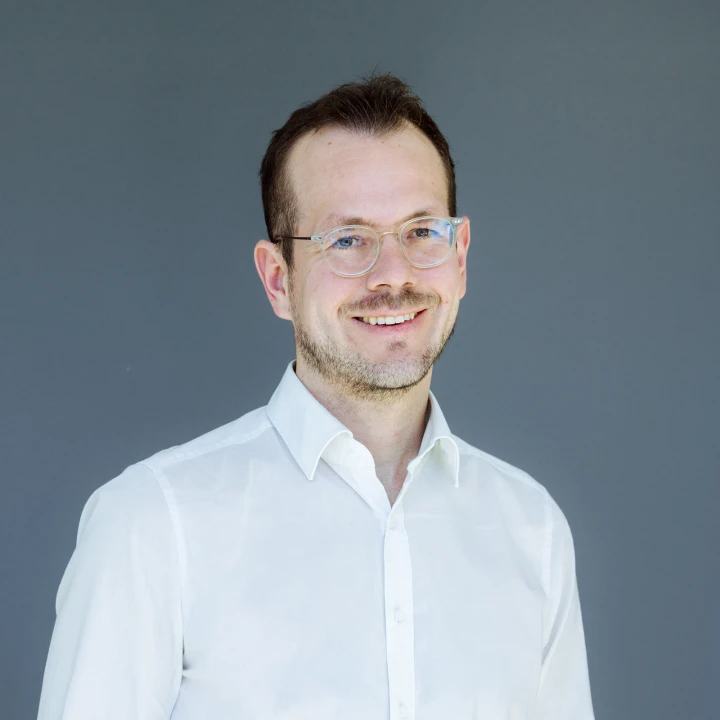
Portrait of a smiling bald man wearing a dark sweater
Thorge Christiansen Project Management Neubörger

Our Team: The Minds Behind the Project

Do you have questions? We have the answers.

There are various reasons why wind turbines may stand still even though the wind is blowing. Often, these are planned maintenance or routine checks that are necessary for the safe operation of the facilities. It may also be that the power grid is already adequately absorbing electricity and no additional input is necessary. Furthermore, modern wind turbines have mechanisms that automatically stop them when the wind speed is too high to prevent damage.

Our environmental planning team possesses extensive knowledge to meet all ecological requirements. We comply with national wildlife conservation regulations and maintain strong relationships with environmental and conservation experts to properly implement all stipulations.

During the construction phase, a wind turbine temporarily requires about 5,000 to 10,000 square meters (0.5 to 1 hectare) for access roads, storage areas, and construction facilities. After completion of the construction work, the permanently needed land area reduces to 2,500 to 5,000 square meters (0.25 to 0.5 hectare), with only a few hundred square meters, mainly the foundation, remaining sealed. The rest of the area can continue to be used for agricultural or forestry purposes.

All questions

Are you ready to shape the energy future of tomorrow? Contact us!

Contact

Discover more EEF projects

EEF is driving the energy transition nationwide – with innovative projects, regional focus, and real impact locally. Take a look at our other energy projects.

All Projects